
A new exhibition at National Trust property Quebec House is shining a light on the lives of the 18th–century children left in the care of the Westerham branch of the Foundling Hospital.
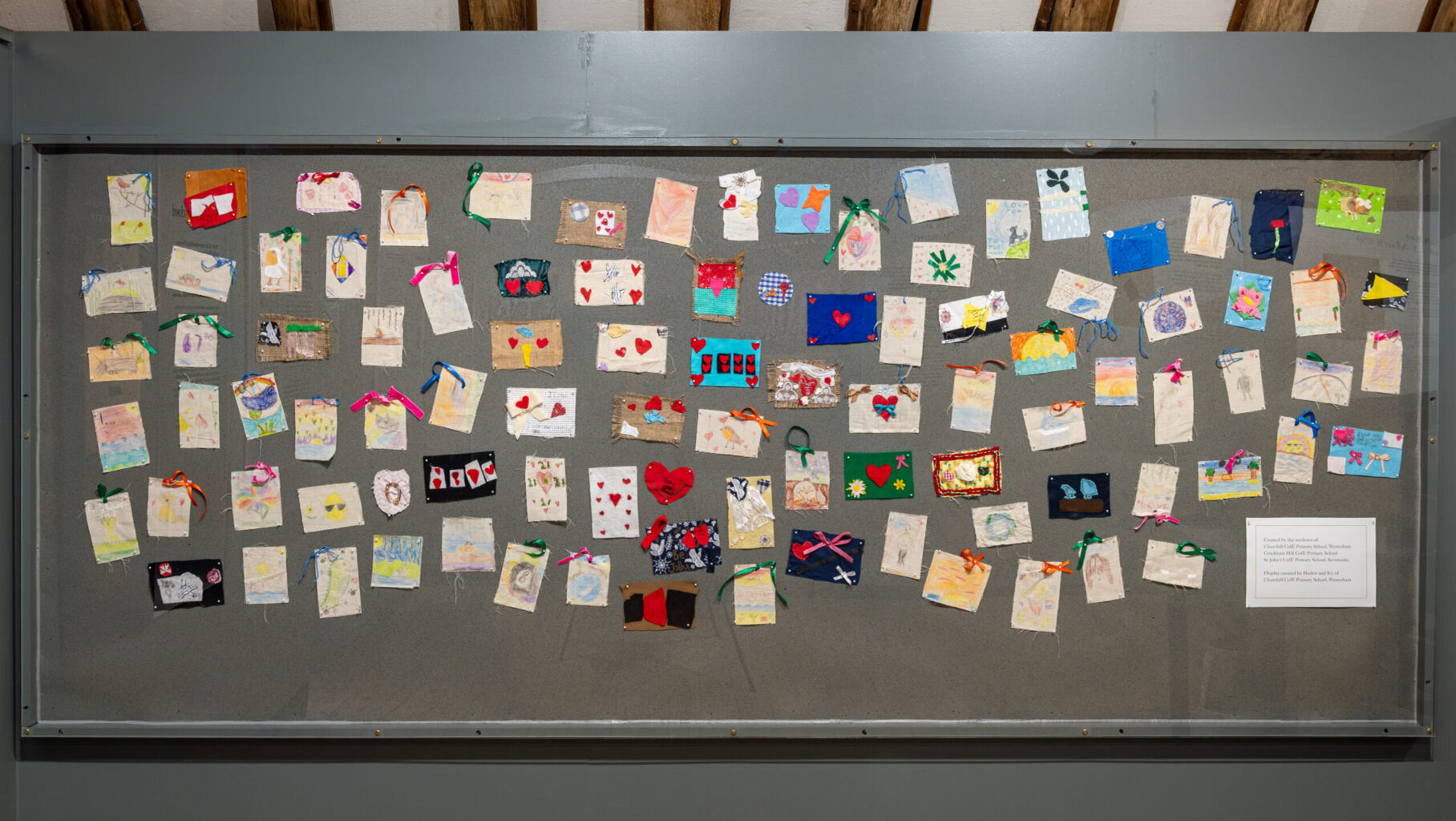 Local school children’s tokens on display at Quebec House © National Trust/Nick Hawkes
Developed in partnership with Coram, the UK’s first and longest continuing charity, established as the Foundling Hospital in 1739, The Story of the Westerham Foundlings explores the lives of some of the 469 children who lived at Westerham’s Wellstreet branch of the Foundling Hospital between 1760 and 1769.
The new exhibition presents archival material, interpretive displays, and creative responses from local pupils, helping visitors connect with the personal stories behind the historical records.
The exhibition highlights the role of tokens — small objects, written notes or pieces of fabric left by mothers with their children as a means of identification should they ever return to reclaim them. Alongside historic records from Coram’s Foundling Hospital Archive, visitors can view contemporary tokens crafted by local schoolchildren in tribute to the foundlings of the 1760s.
“Taking inspiration from original historical tokens, the children reimagined them for the 21st century, adding their own creative ideas and modern meanings. The quality and originality of the final pieces were truly impressive,” says a teacher from Crockham Hill C of E Primary School.
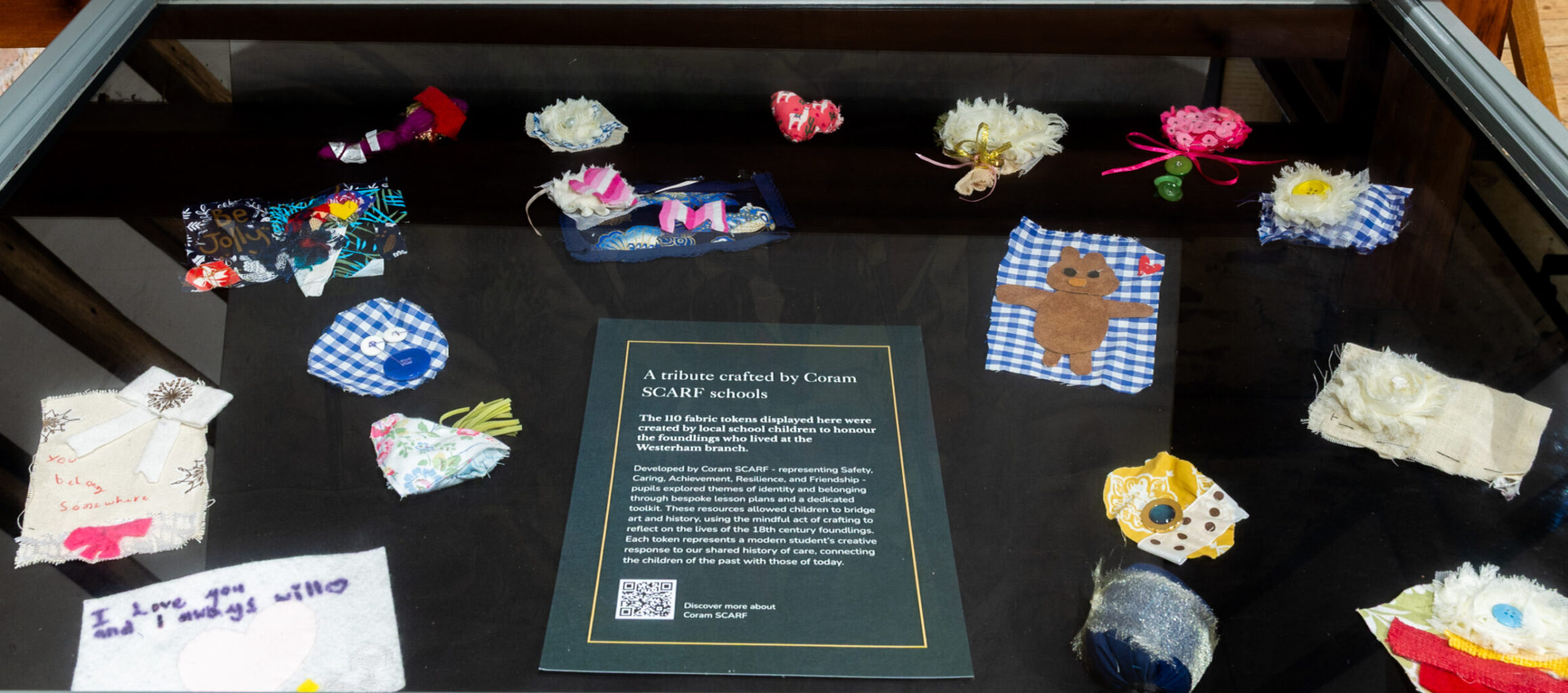
Local school children’s tokens on display at Quebec House © National Trust/Nick Hawkes
The exhibition also features a new sculpture ‘I Will Return’, crafted by local artist Sally Eldars in response to the emotive history of the Westerham foundlings. The handwoven Moses basket crafted from recycled bedsheets and filled with handmade, marked clay tokens is a powerful connection with the past.
Established in 1739 by Thomas Coram, the Foundling Hospital was the first institution in the UK dedicated to the “education and maintenance of exposed and deserted young children.” It was the first example of children’s social care in the UK and marked the beginning of Coram.
As demand grew, branch hospitals were established beyond London. Westerham was selected for its clean air, proximity to the capital and the presence of respected local governors, including Thomas Ellison, owner of Spiers (now Quebec House) and Wellstreet (now Chartwell). Quebec House is best known as the birthplace of General James Wolfe (1727–59) and its rooms focus on his childhood, military career and his death at the Battle of Quebec.
In July 1760, the Westerham branch opened at Wellstreet. For nine years it provided refuge, education and care for hundreds of children. Records from the period offer insights into their daily lives, from play and schooling to health and employment, as well as the tokens left by mothers who hoped one day to return and reunite with their children.
General Manager, Ben Dames, says, “The refreshed space in the Coach House gives us the opportunity to embed Wolfe’s story and the Battle of Quebec within the broader story of what else was happening in society at that time. We’re really excited to launch this space with ‘The Story of the Westerham Foundlings’ exhibition.”
Dame Carol Homden, CEO of Coram, said: “We are delighted to continue our collaboration with Quebec House. This important exhibition will offer visitors the chance to discover the little-known history of the Foundling Hospital in Westerham. We are especially pleased to celebrate the creativity of local Kent schoolchildren, who have engaged so thoughtfully with the experiences of the children who grew up there and have brought this rich history in their local area to life by handcrafting their own tokens.”
The ‘Story of the Westerham Foundlings’ exhibition is now open in the Coach House at Quebec House and will run throughout the year.
Entry is free with normal admission (free to National Trust members). Timed-entry tickets are required to visit Quebec House itself. Opening times vary, please check the website for details: nationaltrust.org.uk/quebec-house
Find out more about Coram’s history at coramstory.org.uk