
Tanya Coles, Incubator Development Lead, reflects on Creating Stability: Regional Sufficiency in a Reformed System, a recent event hosted by Coram-i and CoramBAAF, which brought together senior leaders, commissioners, providers and sector partners to explore how reform and innovation can help create a more stable care system.
Ensuring that every child can access a stable, loving home remains one of the biggest challenges facing children’s social care. With rising costs, increasing complexity of need and growing pressure on placement sufficiency, the sector is being asked to rethink how it commissions, plans and delivers support for children and young people.
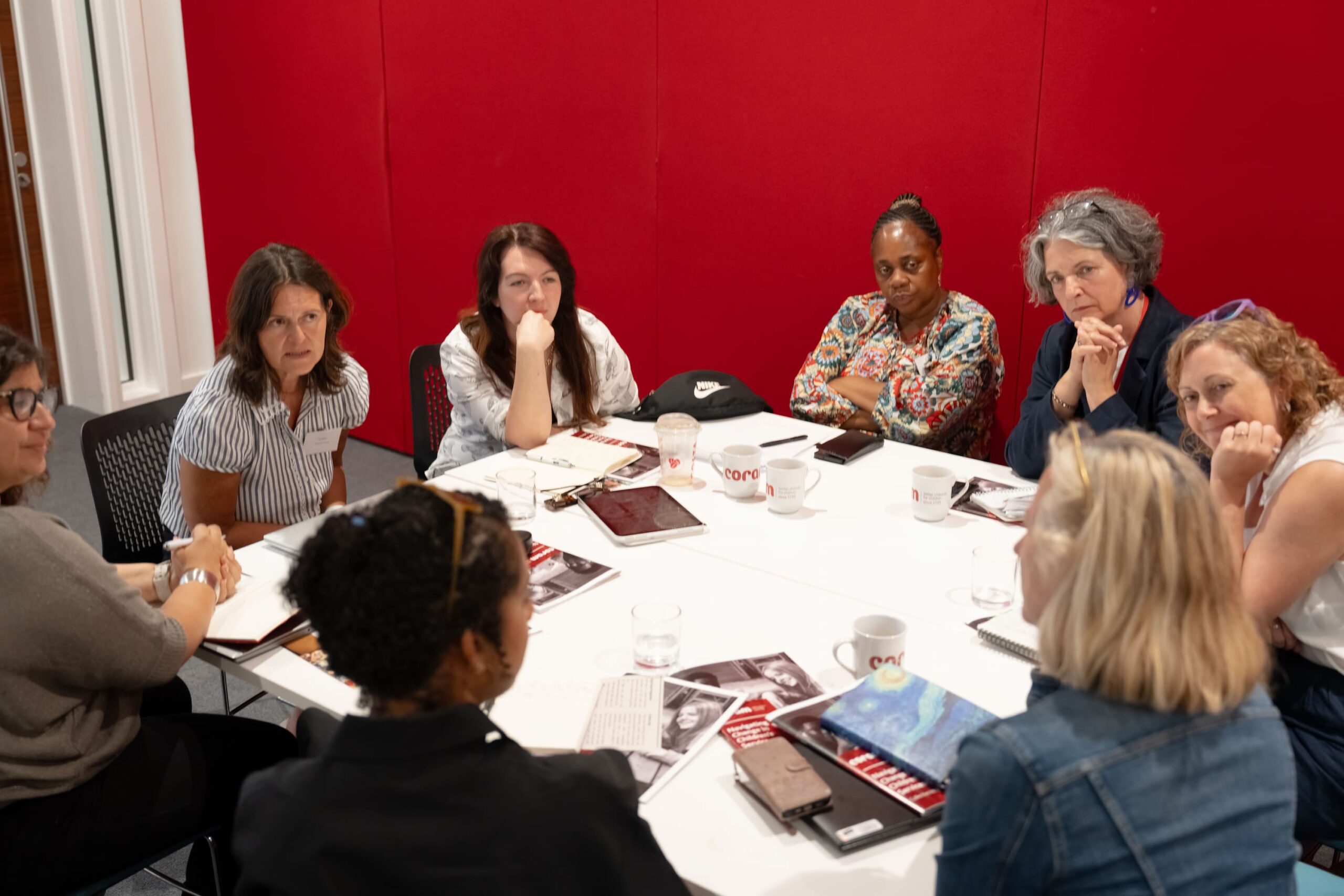
These challenges were the focus of Creating Stability: Regional Sufficiency in a Reformed System, a recent event hosted by Coram-i and CoramBAAF, which brought together senior leaders, commissioners, providers and sector partners to explore how reform and innovation can help create a more stable care system.
The forum brought together perspectives from local authority leaders, commissioners, providers, researchers and regional partnerships, highlighting both the complexity of the challenge and the need for shared solutions. The event reflected the sector’s increasing recognition that shared challenges require collaborative solutions.
A recurring theme was that sufficiency is not simply about increasing placement numbers. Speakers emphasised the need for a whole-system approach that considers fostering, residential care, supported accommodation and transitions to adulthood, alongside the relationships and support networks that help children thrive. Senior leaders repeatedly challenged the idea that any single placement type can solve the sufficiency crisis, calling instead for a more nuanced understanding of children’s needs and the support required to meet them
The emergence of Regional Care Co-operatives (RCCs) featured prominently. Drawing on learning from the Greater Manchester and South East pathfinder areas, we heard how regional collaboration could strengthen commissioning, improve market shaping and support more strategic planning of services. Rather than local authorities working in isolation, RCCs offer opportunities to use shared data, demand forecasting and collective accountability to address longstanding challenges around placement availability, rising costs and market fragility.
The forum highlighted how today’s sufficiency challenges have developed over decades of policy, commissioning and procurement decisions. One of the strongest insights from the event was that the current placement crisis is not simply a consequence of insufficient provision, but of a system that has struggled to align children’s needs with sustainable, long-term planning. The message was clear: future reform must move beyond debates about placement types and focus on creating stronger partnerships between commissioners, providers and system leaders, underpinned by better use of data and a shared focus on outcomes.
Data emerged as a critical theme across multiple sessions. Speakers emphasised the need to make better use of information that local authorities already hold to forecast demand, identify emerging pressures, target recruitment activity and shape provision more effectively. Better forecasting and data-informed decision making were repeatedly identified as essential building blocks for a more sustainable approach to sufficiency.
Fostering also featured strongly throughout the day. While England’s fostering sector continues to face recruitment and retention challenges, speakers presented significant opportunities to improve sufficiency through more evidence-led approaches. Coram’s emerging fostering propensity research explored where untapped recruitment potential may exist, while the FosterLink programme demonstrated the importance of improving conversion rates, reducing friction in the foster carer journey and focusing on retention as well as recruitment. A consistent conclusion was that fostering reform is an important part of the solution, but that sufficiency cannot be achieved through recruitment drives alone.
Several sessions explored the role that innovation can play in improving stability. From user-centred redesign of foster carer journeys and community-based recruitment models to new approaches supporting care leavers, speakers demonstrated that relatively small improvements in processes and partnerships can have a significant impact on outcomes. Importantly, discussions concluded that barriers to innovation are often cultural rather than technological, requiring leadership, collaboration and a willingness to challenge established ways of working.
The event also reinforced the importance of creating trusted spaces where local authority leaders, providers, researchers and system partners can work through shared challenges together. This principle underpins the work of the Coram-i Network, which supports collaborative problem-solving around some of the most pressing issues facing children’s services, including placement sufficiency and market innovation.
Perhaps the most powerful reminder of the day came from Coram Voice’s presentation of evidence from the Bright Spots programme. Drawing on tens of thousands of responses from children in care and care leavers, the session challenged professionals to think beyond whether a placement is available or technically suitable. Children consistently told us that feeling safe, having trusted relationships, maintaining connections with family and friends, and being involved in decisions about their lives are what matter most. Stability is about more than a placement; it is about belonging.
As children’s social care enters a period of significant reform, the event highlighted that the sector can no longer solve sufficiency through recruitment campaigns, contract negotiations or individual local authority action alone. Creating sufficient, stable and loving homes for children will require stronger collaboration across local authorities, providers, communities and system partners, alongside smarter commissioning, better use of data and a relentless focus on what children themselves tell us matters most.
Author bio
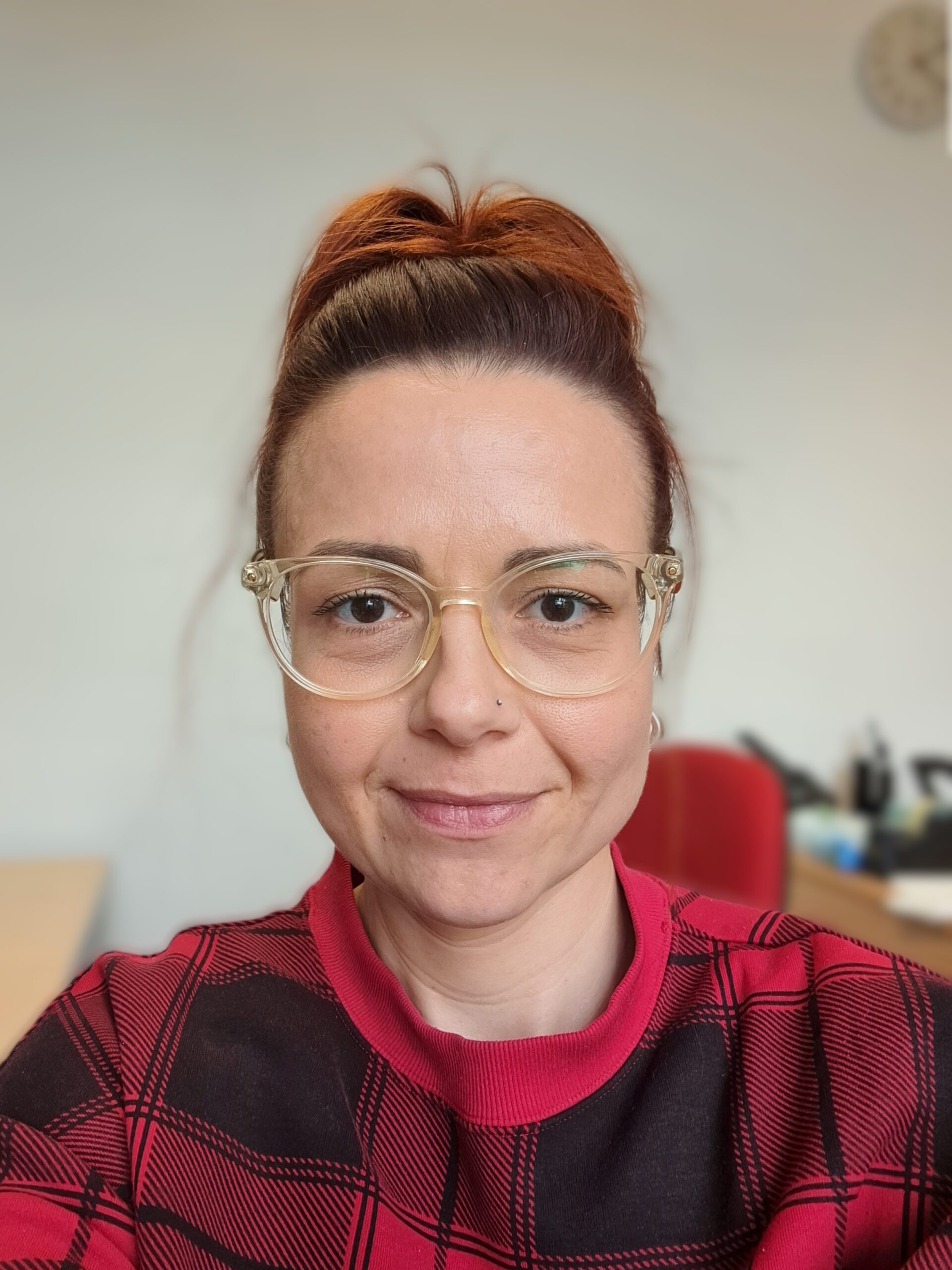
Tanya Coles is Development Lead at Coram-i, the innovation and improvement arm of the Coram Institute for Children. She leads the Coram-i Network, which brings together local authority leaders, innovators and system partners to address shared challenges in children’s services.