
Show filters
Theme
Area
Category
Dealing with Relationship Conflict as Parents
Every relationship experiences conflict, but it's how we respond that makes the difference. Coram Family Lives has a new FREE online course, Dealing with Relationship Conflict as Parents, which is designed to help parents strengthen their relationship while creating a more positive family environment. Small changes in the way we communicate can make a big difference.

Understanding and improving the mental health of care experienced children and young people
Coram BAAF's annual health conference is a key event in the calendars of health and social care professionals working with children in care, adopted children, care leavers, or their carers and parents. Children and young people often describe access to mental health support as a “maze” or a “game of chance”. We will explore why this happens, drawing on leading research across health, social care, and therapeutic services.
 22 June 2026 - 9:30am - 4:30pm
 Aston Conference Centre, Aston St, Birmingham B4 7ET
 £320.00
View event details
£320.00
View event details
 Add to calendar
 Promoted Event
How Moving the Box can raise levels of GLD
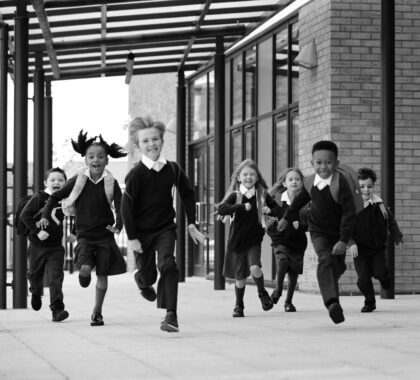
Moving the Box is an approach to build early years teachers’ confidence in identifying children at risk of not achieving a Good Level of Development (GLD) and deciding what to teach and the best ways of doing it.
20 March 2026 - 10am–4pm
Coram, 41 Brunswick Square,London WC1N 1AZ Date: Friday 20 March, 10 am to 4 pm Tickets: £162
£162
More info and tickets
Add to calendar

Playful Spaces: The Classroom as Rehearsal Room
Join us for Playful Spaces, a one-day learning event for educators, theatre-makers and creative practitioners who want to reimagine how young people learn. Hosted by Coram Shakespeare Schools Foundation, this innovative day of workshops, masterclasses and conversations will give you practical tools to energise your teaching and transform your learning environment.
12 July 2025 - 9.30am - 6pm
Mountview Academy of Theatre Arts, 120 Peckham Hill Street, SE15 5JT
Find out more and book
Add to calendar

Transition Planning and the Rights of Young People with Disabilities – Part 2
These free sessions will provide an opportunity to reflect on the challenges disabled young people may face at times of transition, and how we can support them to make this process smoother, by ensuring that their rights are upheld. This will include exploring legislation.
Transition Planning and the Rights of Young People with Disabilities – Part 1
These free sessions will provide an opportunity to reflect on the challenges disabled young people may face at times of transition, and how we can support them to make this process smoother, by ensuring that their rights are upheld. This will include exploring legislation.