
Coram SCARF held a roundtable event yesterday (5 November) chaired by the Rt Hon. Baroness Kidron OBE, convening experts from across the children’s sector to discuss the latest research and perspectives on the negative impact of the digital world on children’s health, education and wellbeing.
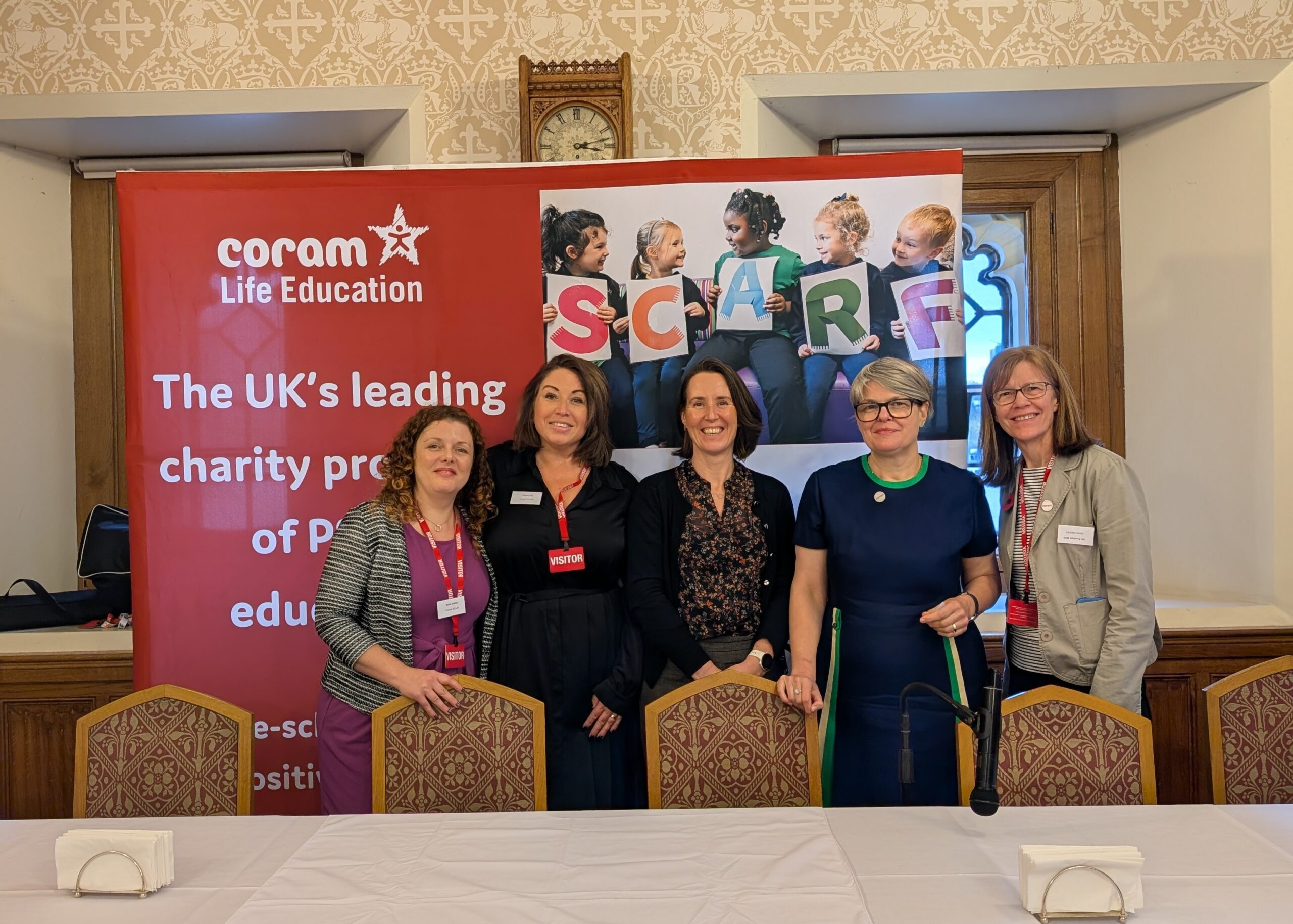
Coram SCARF, the UK’s largest charity provider of health and wellbeing education, convened a range of experts and shared the experiences of primary teachers from the 2,800 SCARF schools across the country at a roundtable event chaired by the Rt Hon. Baroness Kidron OBE on Wednesday 5 November. Speakers warned that childhood is being reshaped by excessive access to the digital world creating health emergency and a safeguarding crisis.
Jan Forshaw MBE, head of education for Coram SCARF, underscored the link between excessive screentime and range of negative outcomes for children including poor concentration, speech delay, sleep deprivation, social media-fuelled anxiety and low self-esteem, exposure to harmful content and aggressive and impulsive behaviours.
Experts who addressed the event included Clare Fernyhough, co-founder of Generation Focus; Jennifer Powers, development director of PAPAYA Parents and Ed Harlow, president of the NEU. Dr Rebecca Foljambe, founder of Health Professional for Safer Screens, underlined the huge increase in the number of children waiting for speech and language therapy as a consequence of excessive smartphone use and drew parallels between the tech industry and the tobacco industry, putting profits before health and exploiting children.
Peter Wanless, chair of the 5Rights Foundation, revealed that many education technology products fail to protect children’s rights, leaving children’s data exposed to tracking from commercial websites for companies to use for advertising purposes. The roundtable also heard from principal Damian McBeath who described how digital saturation destabilises children’s attention, belonging and learning and shared the positive experience at his school where banned mobile phones resulting in improved behaviour better, children playing more and a reduction in bullying.
Coram SCARF and Baroness Kidron will be reconvening a follow-up event to progress this work.
Harriet Gill, Managing Director of Education and Wellbeing at Coram, said: “Smartphones have transformed childhood and increasingly, policymakers, schools and families are recognising the damaging impact of digital technology on young people. We are grateful for the powerful contributions from our distinguished panellists and the ideas and solutions exchanged are invaluable as we work to shift the norms around children’s smartphone access in favour of embodied connections between children and with parents, and time spent away from screens. The publication of the Government’s Curriculum and Assessment Review is a timely reminder of the importance of digital literacy and wellbeing across the curriculum and this further galvanises us to ensure priorities are embedded in practice, not just policy.”