
Show filters
Theme
Area
Category
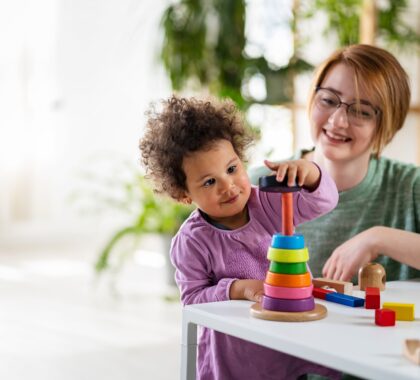
Exploring Expertise: Fetal Alcohol Spectrum Disorder
This session aims to provide adoption services and practitioners an overview of Fetal Alcohol Spectrum Disorder (FASD). It aims to help fostering and adoption services by providing strategies and resources to assist agencies who are working with children or young people with a FASD diagnosis. Our presenters are Sandy and Martin Butcher, co-founders and co-chairs of the Hertfordshire FASD Support Network. Our Chair is Alice Sewell, trainer at NationalFASD.
 12 September 2023 - 11.30am-1pm
  Online via Zoom
  £20
£20  Add to calendar
Working with schools: supporting the emotional needs of (previously) looked after children in education
This half day training is aimed at professionals who are supporting children and their families and who would like to explore different ways to collaborate with schools in meeting the child’s emotional needs.
How can Bright Spots unlock ‘Stable Homes, Built On Love’?
In this lunchtime webinar, Coram Voice will share some of the key learning from the Bright Spots programme which has helped 80 local authorities across the UK to listen to what makes life good for more than 24,000 care-experienced children and young people.

Adoption information meetings
Coram Ambitious for Adoption host free information sessions about adoption. These events are a great chance to learn general information about adoption and how to adopt through Coram. There will be an opportunity to ask any questions in both the online and in person sessions.
Supporting Special Guardianship Families: support assessment, ASF applications and support needs
This course will explore the support needs of special guardianship families, how to carry out assessment of support needs which are sensitive to the needs of kinship care families, and the how these needs may be most effectively met.
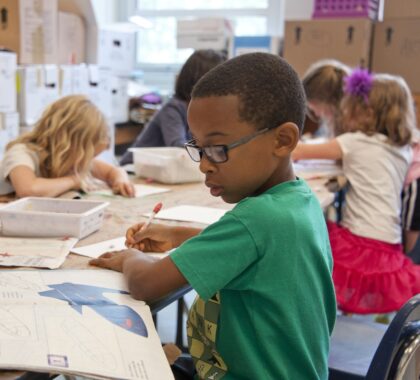
Working with schools: supporting the emotional needs of (previously) looked after children in education
This half day training is aimed at professionals who are supporting children and their families and who would like to explore different ways to collaborate with schools in meeting the child’s emotional needs. We know that for many children who are in kinship or foster care, or who are adopted, education can be a challenging experience.